← Blog · 2026-11-05
Employee Recognition Event Speaker: Getting It Right
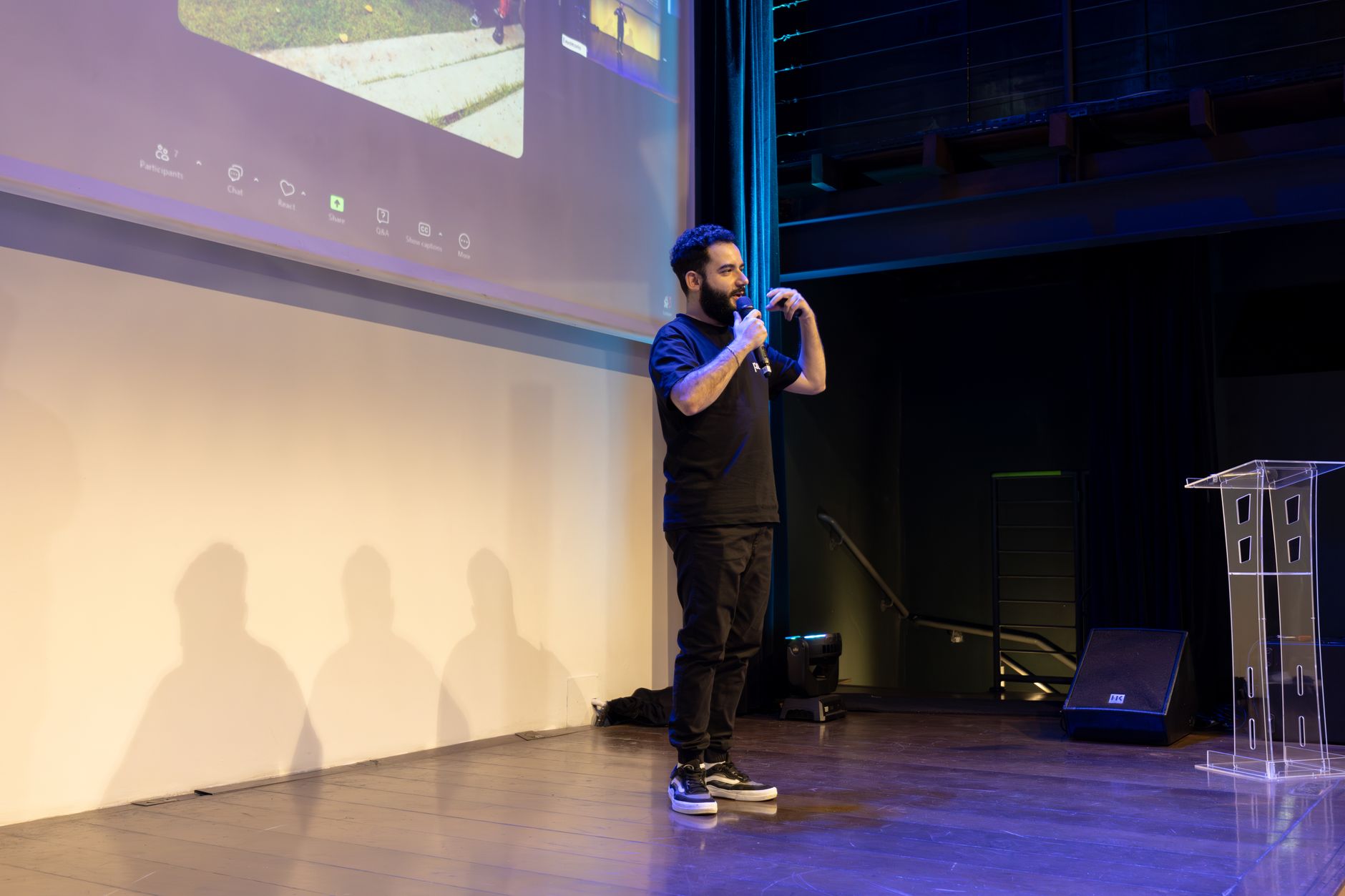
Search for an employee recognition event speaker and you'll get a wall of headshots promising to "energize" a room that's really there to watch Diane from accounting finally get her twenty-year plaque. Recognition events are a strange hybrid: part ceremony, part party, part HR obligation nobody quite wants to run. The speaker's job isn't to overshadow the awards. It's to make the room warmer before the names get called, and to give people permission to actually enjoy being thanked out loud, which is a surprisingly uncomfortable experience for most humans. Get this wrong and you've got a motivational speech bolted onto a plaque ceremony. Get it right and the whole evening feels like it meant something.
What Recognition Events Actually Need From a Speaker
Most corporate keynotes exist to fix a problem — low morale, a merger, a rough quarter. Recognition events are different. The company already did something right: they set aside time and money to say thank you. The speaker's job is to make that gesture land, not to compete with it. That means less "transform your mindset" and more "notice what's actually happening in this room."
A good fit here is someone who can be funny about the small, specific absurdities of work — the group chat that never dies, the manager who still uses a flip phone for emergencies only — without turning it into roast comedy aimed at the honorees. The goal is warmth with edges, not a greeting card read aloud.
Timing matters more than people expect. A recognition speaker usually isn't closing the show; they're setting the emotional table before awards, or bridging between dinner and the ceremony. That's a tricky slot — people are mid-meal, mid-conversation, not expecting to be moved. The speaker needs material that works in that in-between space, not a full arc that assumes a captive, focused audience.
Humor With a Consciousness Angle, Not a Sermon
The phrase "consciousness angle" sounds like it belongs in a retreat brochure, but at a recognition event it has a practical meaning: helping people notice what they're usually too busy to notice, like the fact that recognition itself is a form of attention, and attention is the actual scarce resource in most workplaces. Jeff's approach leans into that without turning preachy — the laugh comes first, the insight rides along underneath it.
This matters because recognition events can tip into saccharine territory fast. Too much sincerity without humor and the room gets squirmy; everyone's staring at their shrimp cocktail waiting for it to end. Too much comedy without any depth and the awards that follow feel like a tonal whiplash. The sweet spot is a speaker who can make people laugh at how weird it is to be thanked in public, and then quietly mean it when the laughing stops.
For buyers evaluating someone against this standard, the test is simple: watch a clip and ask whether the audience looks like they're feeling something as well as laughing. If it's just laughter, you've got a comedian. If it's just feeling, you've got a motivational speaker. Recognition events need both in the same ten minutes.
What to Look For Before You Book
Start with references from similar event types, not just similar industries. A speaker who's great at sales kickoffs may be wrong for an awards dinner, because the energy required is different — recognition events need restraint and timing more than hype. Ask the bureau or the speaker directly how they've handled a program where they weren't the main event, because at a recognition dinner, the honorees are.
Ask about customization. A speaker who can work in a reference to your team's actual year — the project that nearly broke everyone, the client win nobody expected — will land harder than one running identical material from a conference three states away. This doesn't require a deep dive into company history, just enough specificity that the audience feels seen rather than generically addressed.
Finally, consider the room itself. A hundred-person dinner in a hotel ballroom calls for different pacing than a five-thousand-person arena event with recognition segments built into a bigger show. The speaker you book should have done both, or at least understand which version your event actually is, so expectations on both sides match before anyone steps on stage.