← Blog · 2026-09-24
Funny Motivational Speaker for Sales Kickoff: A Real Guide
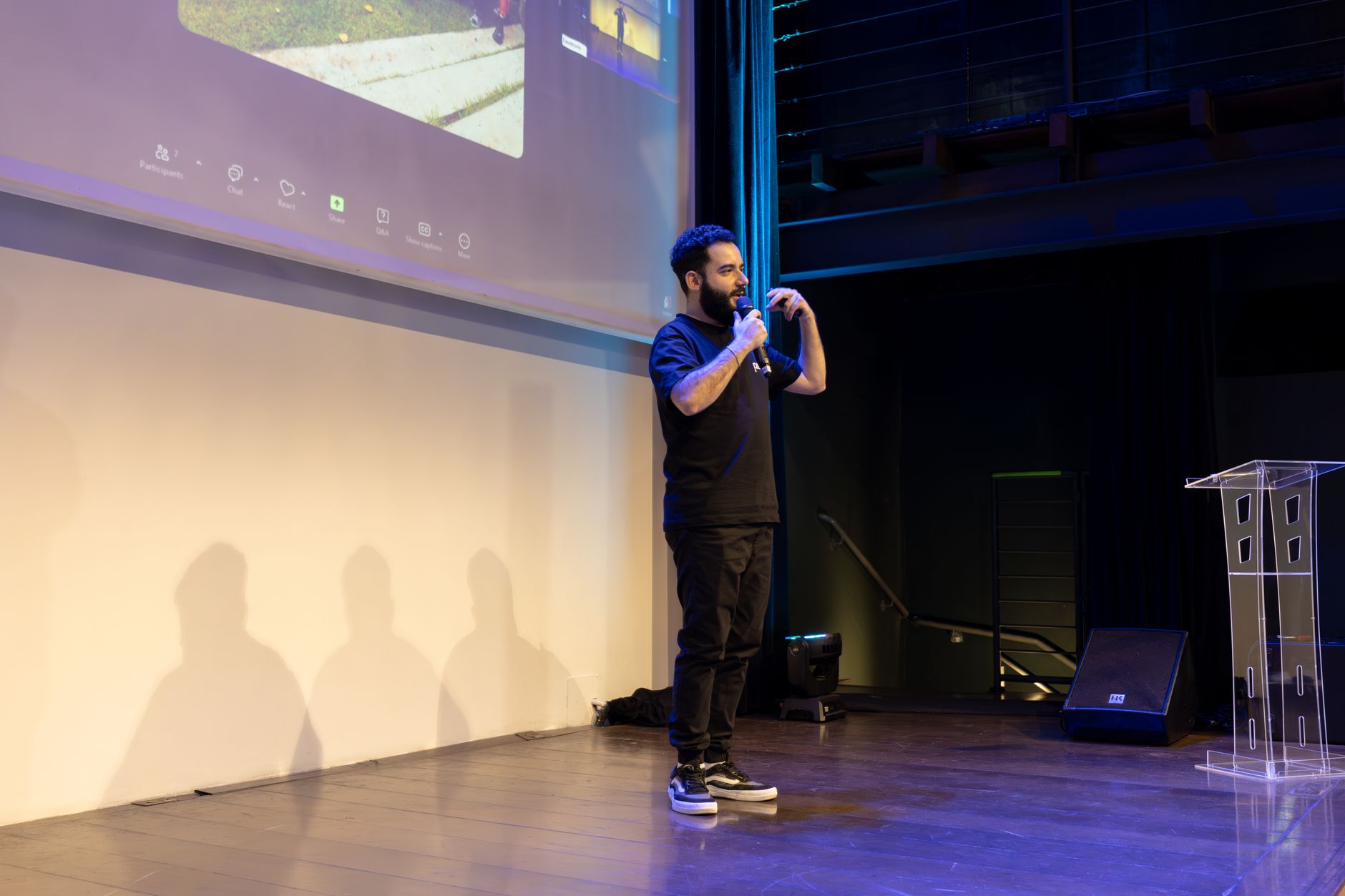
Every sales kickoff planner eventually types the same phrase into a search bar: funny motivational speaker for sales kickoff. The instinct is right — reps have sat through a year of pipeline reviews and need something that lands as both funny and true. But the phrase hides a trap. Plenty of people are funny. Fewer are funny about the actual psychology of chasing quota, handling rejection, and staying sane inside a forecast call. The job isn't to book a comedian who tells jokes near your agenda. It's to book someone who understands why sales work messes with people's heads, and can make a room laugh about that without insulting anyone's number.
Why Sales Kickoffs Need Their Own Kind of Funny
A sales kickoff audience is different from a general corporate crowd. These are people who live inside rejection cycles, who get measured publicly every quarter, and who are often exhausted from travel before the keynote even starts. Generic motivational content — the kind that talks about "crushing goals" without acknowledging the emotional cost of the chase — tends to bounce off this room. They've heard it.
What lands instead is humor that names the real texture of sales life: the dread of a Monday pipeline meeting, the strange high of a closed deal, the specific loneliness of cold outreach. A speaker who can turn that into a genuinely funny bit isn't just entertaining — they're doing something closer to translation. They're taking a stressful, repetitive grind and giving people permission to laugh at it, which is often the fastest route back to motivation.
This matters practically for planners. If your speaker's material is generic enough to work at any conference, it probably won't hit as hard at a sales kickoff specifically. Ask for examples of how they've tailored content to sales audiences before, not just corporate audiences in general.
What to Actually Ask Before You Book
Buyers often ask for a demo reel and a bio, then decide based on vibe. That's a mistake for a sales kickoff booking, because the stakes are different — this crowd needs to leave energized for a full year of quota pressure, not just entertained for forty-five minutes. Ask instead: how does this person structure a talk so the laughs build toward something, rather than just stacking jokes back to back?
Ask what happens in the last ten minutes. A funny motivational speaker for sales kickoff work should have a closing arc — not a moral lecture, but a shift in tone that gives the humor a point. If the answer is vague, that's a signal the content is joke-forward and insight-light, which tends to fade fast once the applause ends.
Also ask about customization. A short pre-call where the speaker asks about your product, your recent wins, your internal running jokes, and your leadership's actual priorities produces material that feels built for the room instead of recycled from the last three gigs. Planners should treat that customization conversation as a quality signal, not an optional extra.
Matching the Speaker to Your Sales Culture
Sales cultures vary more than most departments. A hardware sales floor built on relationship-driven, slow-cycle deals has a different emotional rhythm than a SaaS team living inside monthly quotas and rapid churn conversations. The humor that resonates in one won't automatically resonate in the other, even if both are technically "sales."
Before booking, share your team's actual culture with the speaker: how leadership communicates, what your recent quarter looked like, whether morale is high off a strong year or bruised after a rough one. A good speaker adjusts tone accordingly — celebratory humor after a win, resilience-focused humor after a slump — without pretending the context doesn't exist.
This is also where the consciousness angle earns its keep. Beyond jokes about quota anxiety, there's real value in material that helps reps notice their own patterns — how they talk to themselves after a loss, how ego shows up in a negotiation, how attention drifts during a long call. Framed with humor instead of jargon, this kind of self-awareness content tends to stick with sales teams longer than a straightforward pep talk, because it gives them something to actually use on the next call.
What Success Looks Like After the Keynote
The real test of a sales kickoff keynote isn't the applause in the room — it's whether reps reference the material three weeks later during a rough stretch. Planners should think past the immediate reaction and ask what's repeatable. Did the speaker leave behind a phrase, a bit, or a framing that a sales manager can casually drop into a Monday huddle without sounding forced?
That kind of residue is a better measure of success than laugh volume alone. It's worth asking speakers directly whether past clients have reported that kind of carryover, and being honest with yourself about what you can verify versus what's just a nice-sounding claim.
Finally, remember that a kickoff keynote is one input into a year of sales performance, not a standalone fix. The best outcome is a room that leaves lighter, more self-aware, and slightly more willing to laugh at the grind — which, for a group about to spend the next twelve months chasing numbers, is not a small thing.