← Blog · 2026-08-09
How to choose a keynote speaker for your conference
A working guide for meeting planners on choosing a keynote speaker, from audience fit and tone to the questions that actually predict a great session.
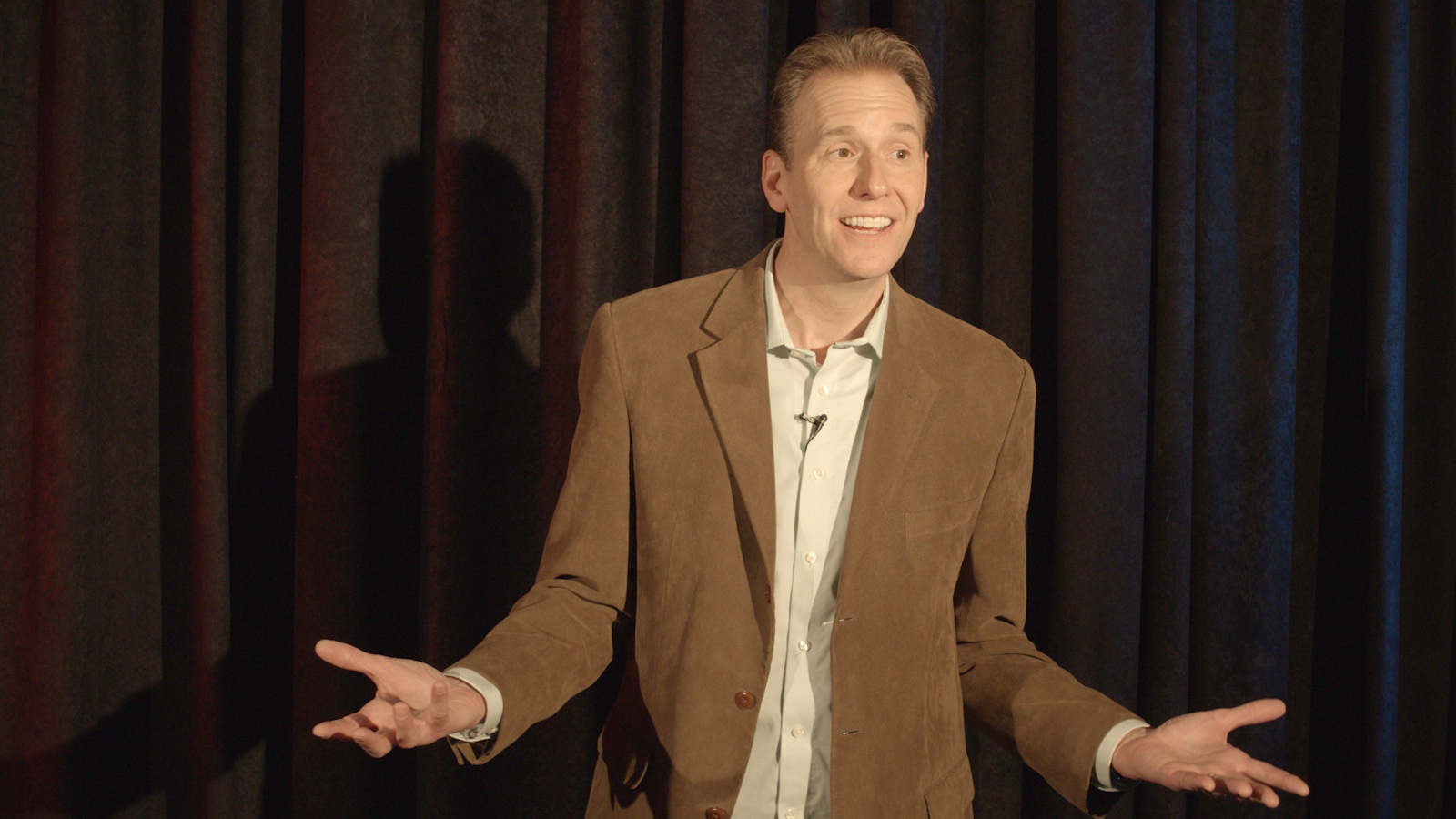
Choosing a keynote speaker looks like a simple line item on the event plan. Pick a name, sign a contract, move on to catering. Then the event arrives, and the keynote turns out to be the single biggest variable in how the whole conference feels. People forget the lanyards. They remember the room.
I have spent my life on stages, first in comedy and now as a speaker, and I have watched this from both sides of the curtain. So here is a working guide for meeting planners: how to choose a keynote speaker without getting burned.
Start with the shift, not the speaker
Most planners start with a list of names. Start with a sentence instead: by the end of this keynote, the room should feel something specific and be ready to do something specific.
Maybe the answer is re-energized and ready to engage with a hard strategy session. Maybe it is more honest, so the culture conversation later that day actually goes somewhere. Maybe the year has been heavy and the audience needs permission to be human again before anyone asks them to absorb another roadmap.
Once you can finish that sentence, the search stops being a popularity contest and becomes a matching problem. You are not buying a name. You are buying a shift in the room, and different speakers produce very different shifts.
Audience fit beats resume shine
A famous name can help sell tickets. It cannot make a room feel understood. The audience never experiences the resume. They experience forty five minutes of a human being either meeting them where they are or talking past them.
So weigh fit questions more heavily than fame questions. Has this person stood in front of a room like yours, with this mix of seniority, this level of fatigue, this relationship to the topic? Do they talk with audiences or at them? When you watch their footage, do you see the audience reacting, or only the speaker performing?
A modestly known speaker who fits the room will outperform a celebrity who delivers the same talk in every city. Most planners learn this the same way: once, expensively.
The canned-talk tell
Here is the fastest test available, and it costs you one conversation. Ask the speaker what they want to know about your audience.
A speaker with a canned talk asks for the date, the fee, and the pronunciation of the company name. A speaker who is going to land asks real questions. Who is in the seats? What happened in this organization this year? What do these people already believe about the topic? Where does the keynote sit in the agenda, and what comes after it?
A keynote is a relationship with a specific room. If the speaker is not curious about your room before the contract is signed, they will not become curious on stage.
Take humor seriously
Humor is not a bonus feature. It is one of the most revealing fit signals you have.
Handled badly, humor wastes time, punches down, or turns the keynote into a set with a moral stapled to the end. Handled well, it does something no slide can do: it lowers the room's resistance. People who are laughing together have stopped bracing. Once they stop bracing, they can hear the hard part of the message without armoring up against it.
So ask the candidate directly: what role does humor play in your talk? You want an answer about the audience, not about the laughs. The point of humor in a keynote is not applause. It is access.
Questions that predict a good keynote
When you get a speaker on the phone, these five questions will tell you most of what you need:
- what do you need to know about our audience before you finalize a word?
- how will this talk be different for our event than for your last one?
- what should our people be able to do differently the next morning?
- what does the talk ask of the room, and when?
- what do you need from us technically, and what ruins the talk if we get it wrong?
Vague answers to specific questions are the warning sign. Specific answers, even imperfect ones, mean the speaker is already thinking about your room instead of their reel.
Logistics planners discover too late
A few practical realities, learned the hard way across many events:
Book earlier than feels necessary. Good speakers calendar out months ahead, and the best agenda slots need protecting too.
Placement matters. An opening keynote sets the tone for everything after it. The slot after lunch needs a speaker with real energy and, honestly, real humor. The closing slot needs someone who can send people out the door carrying something.
Customization takes lead time. If you want the talk shaped to your organization, the speaker needs access to context weeks out, not the night before.
If you want the specifics on how this works with me, fees, formats, lead time, and travel, the booking FAQ answers the questions planners ask most.
Where I fit, and where I do not
Since this is my site, I will be direct about my own lane.
I work at the intersection of humor and consciousness. My talks, which you can read in full on the speaking page, are built for rooms that want depth without jargon and laughter without emptiness. If your event needs the audience to reconnect with why the work matters, talk honestly about culture, or hear a serious message delivered with genuine comedy, that is my lane and I am glad to discuss it.
If you need a technical industry deep dive or a pure entertainment set with no business relevance, I am the wrong booking, and I would rather tell you that now than waste your one keynote slot.
Either way, the method in this guide holds. Decide the shift you need, interrogate fit before fame, take humor seriously, and ask specific questions. If the shift you are after sounds like mine, start the conversation.