← Blog · 2026-11-19
Motivational Speaker for Organizational Change That Sticks
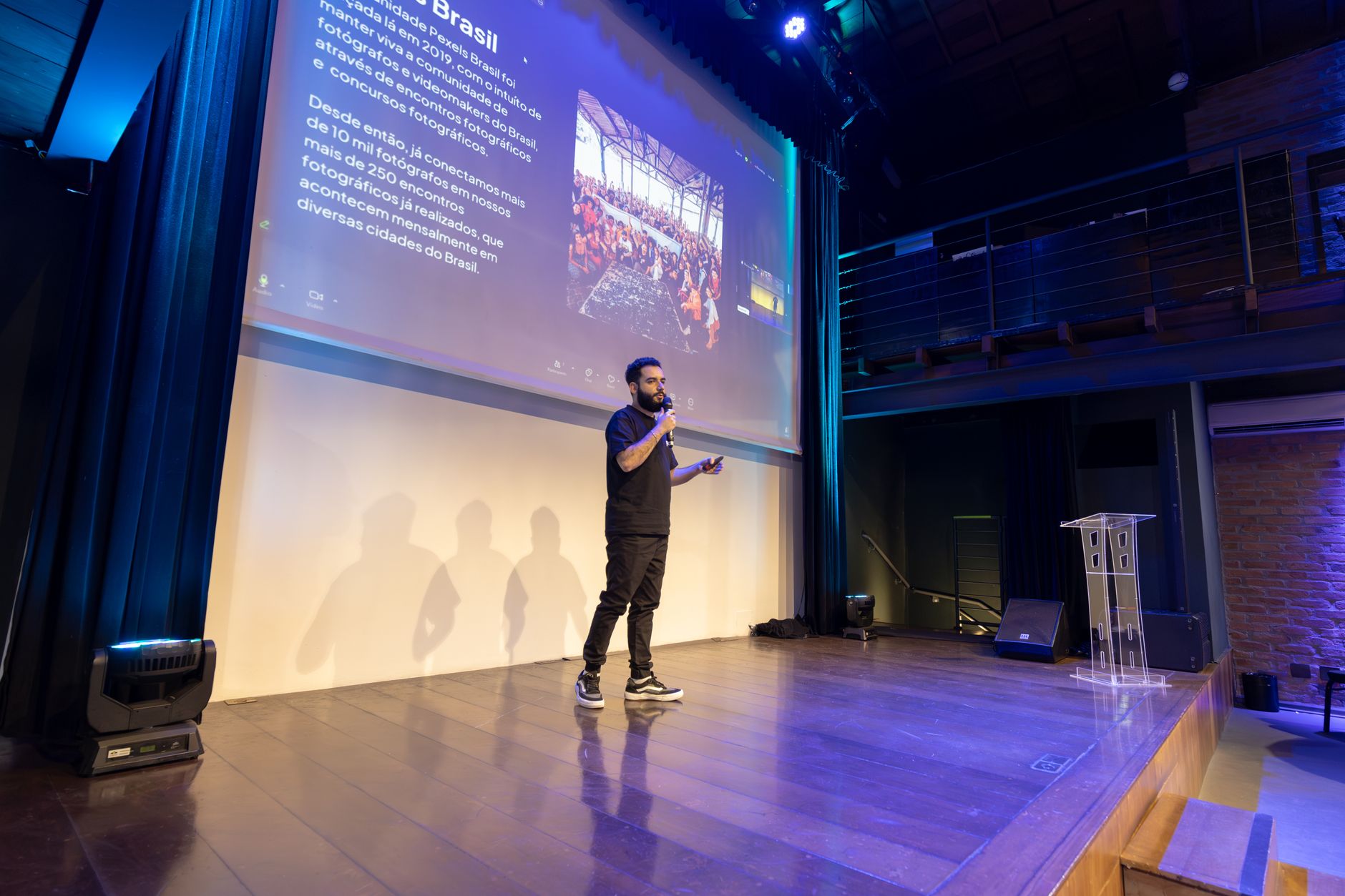
When companies search for a motivational speaker for organizational change, they usually mean something specific: people are anxious, leadership is restructuring something, and someone upstairs wants the room to feel less like a hostage situation. I've stood in front of enough of these rooms to know the difference between a speech that gets applause and one that gets behavior change. They are not the same thing, and most buyers don't find that out until after the invoice clears. This isn't a pitch for incense-and-affirmations transformation. It's a look at what organizational change actually requires from the person holding the microphone, and why humor, used correctly, is one of the few tools that can get a skeptical room to actually listen.
Why Change Announcements Need a Different Kind of Speaker
Most corporate speakers are built for stable rooms—kickoffs, recognition dinners, conferences where the news is good and the job is just to amplify the mood. Organizational change is the opposite environment. People in that room have already decided, often correctly, that leadership's messaging is spin. They've sat through the town hall. They've read between the lines of the email. A speaker who walks in with generic hustle-culture energy reads as tone-deaf immediately, and the room checks out in the first ninety seconds.
What that room actually needs is someone who will say the quiet part first. Not cynically, not as a bit, but as proof the speaker understands where they're sitting. I open differently for these rooms than I do for a sales kickoff, because the emotional terrain is different—there's grief in change, even good change, and skipping past that to get to the inspiring part just makes people trust you less.
The skill isn't performing optimism at people. It's being specific enough about the discomfort that the audience recognizes itself, then using that recognition as the actual bridge to whatever's next. That's a different craft than reading a crowd that's already excited to be there, and it's worth asking any speaker you're considering whether they've actually done it.
What Humor Is Actually For in a Change Moment
Humor gets dismissed by serious-minded executives as decoration—something to keep people awake between the real content. In a change environment, it's doing load-bearing work. A room full of people bracing for bad news has its defenses up. Humor, done honestly, lowers those defenses faster than any slide about 'our exciting new chapter' ever will, because laughing together is involuntary in a way that nodding along to a mission statement is not.
The trick is that the humor has to be about something true. Jokes about free snacks in the break room don't land in a reorg. Jokes that acknowledge the absurdity of corporate language, the whiplash of priorities changing again, or the universal experience of pretending to be fine in a meeting—those land, because the audience has lived them. That's the consciousness angle I bring: paying attention to what's actually happening in the room rather than performing a script written for a different audience entirely.
When it works, something practical happens: people stop performing compliance and start actually considering the message. That's the measurable difference between a speaker who's fun and one who moves an organization. Buyers should ask for specifics about how a speaker handles rooms with real tension, not just rooms that were already primed to have a good time.
What to Ask Before You Book
If you're a planner or a buyer evaluating a motivational speaker for organizational change, the useful questions aren't about applause. They're about whether this person can read a room that doesn't want to be read. Ask what they do when the first few minutes get a flat response—not whether that's ever happened, because it has, for every speaker who's done enough shows to be worth hiring.
Ask how they handle material when there's active layoff anxiety or leadership distrust in the building. A speaker who can't answer that concretely, who just says 'I keep it positive,' hasn't actually thought about your situation. Ask for a short call with whoever's leading the change internally, so the speaker can hear the real language being used in the building rather than guessing at it from a brief.
And ask what they want changed about the room's behavior afterward, not just how they want the room to feel. Feeling good for an afternoon is cheap. The harder, more useful outcome is a room that's slightly more willing to engage with what comes next—more likely to ask a real question in the follow-up session, less likely to just nod and disappear back to their desks unconvinced. That's the bar worth holding any speaker to, including me.