← Blog · 2026-09-10
Picking a Keynote Speaker for Company Offsite Energy
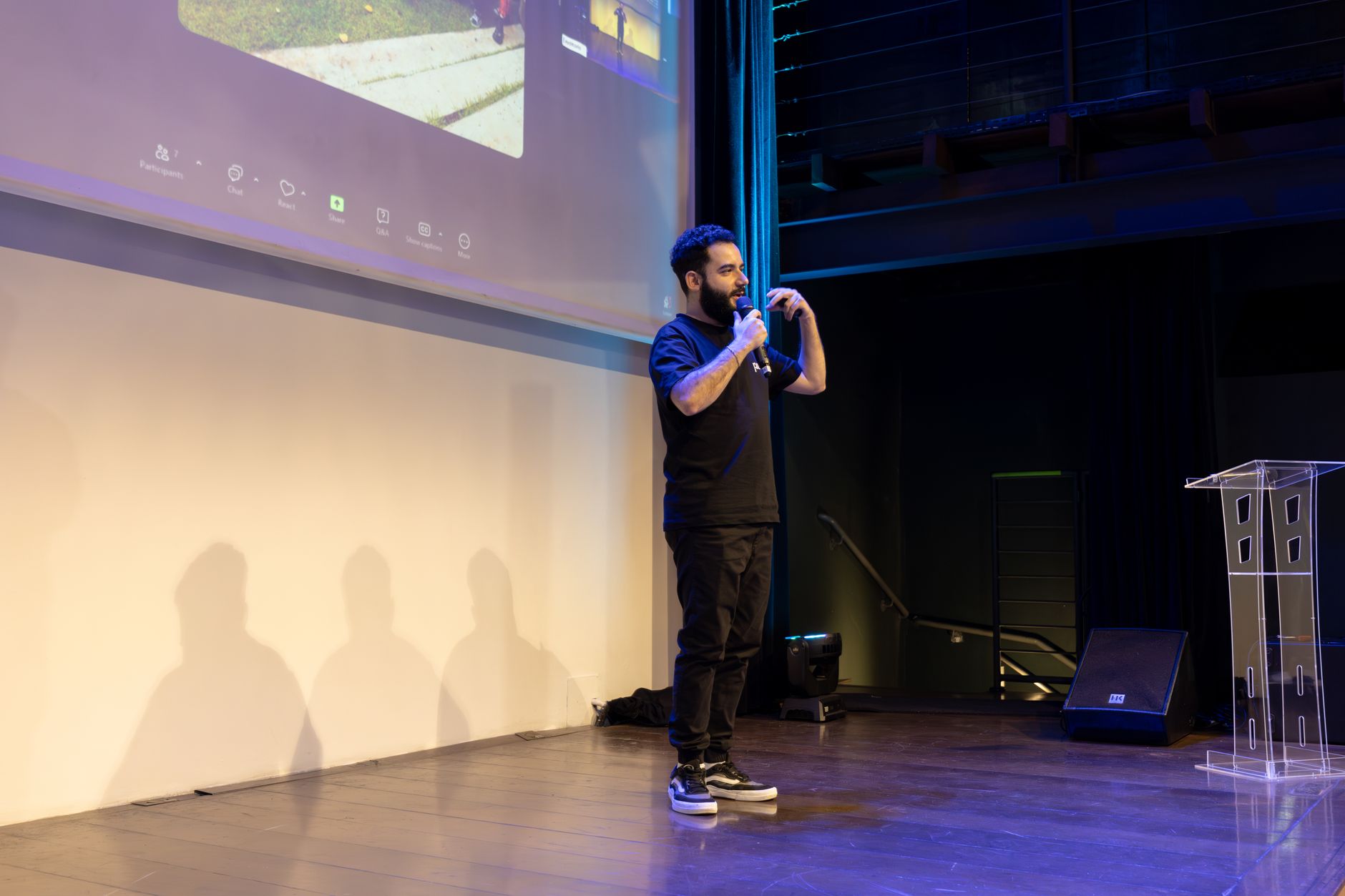
If you're searching for a keynote speaker for company offsite planning, you already know the stakes are different from a big conference stage. An offsite is smaller, closer, more exposed. People know each other. They know who didn't get the promotion, who's quietly job hunting, who's been running the team into the ground with back-to-back Zooms. A generic motivational speech evaporates in that room. What works is someone who can read the temperature, say the true thing out loud, and make people laugh at themselves instead of at each other. That's a narrower skill than most bureaus advertise, and it's worth understanding before you sign a contract.
Why Offsites Are a Different Animal Than Conferences
A conference audience is anonymous. Nobody in the back row knows if you're bombing, and the speaker before you doesn't affect how your material lands. An offsite is the opposite. The room has history — old grudges, inside jokes, a shared Slack channel full of context you don't have. That means a keynote speaker for company offsite events needs material that can flex in real time, because the temperature of the room is set before you ever walk on stage.
Offsites also tend to happen at inflection points: after a reorg, before a big push, following a rough quarter, or simply because leadership finally admitted the team needed a reset. The speaker who gets booked for a random Tuesday conference talk is not automatically the right fit for a room that just survived layoffs. Ask what prompted the offsite. The answer should shape the ask you give the speaker, not just the logistics you hand the venue.
The intimacy cuts both ways. If the speaker connects, the effect compounds because everyone in the room reinforces it for each other afterward. If the speaker misreads the room, that also compounds, and not in your favor.
What to Actually Ask Before You Book
Skip the reel for a minute and ask about process. How does the speaker prepare for a specific company versus running the same fifty minutes everywhere? A speaker worth hiring will ask you real questions back — what's the mood, what's unspoken, what would make people roll their eyes if said from a stage. If they don't ask, they're not customizing, they're performing a template with your logo pasted on the slide.
Ask what happens in the room if the energy is low to start. Offsites often kick off after a long travel day or a dense strategy session that drained everyone. A speaker who can only execute a high-energy opener will struggle if the room walks in flat. Someone who's spent real time on stages built for skepticism — comedy clubs, not just corporate ballrooms — usually has more tools for reading and adjusting than someone whose entire career has been inside conference centers.
Finally, ask what the speaker wants people talking about at breakfast the next morning. If the honest answer is 'how funny I was,' that's an entertainer. If the answer involves something closer to how people see their own behavior differently, that's someone building an actual keynote speaker for company offsite audiences to remember for reasons beyond the jokes.
The Line Between Funny and Useful
Humor gets booked because it's low-risk on paper — nobody complains about laughing. But funny alone is a rental car: it gets you there and then it's gone. The material that sticks connects a laugh to a recognition, the moment someone thinks 'that's literally my inbox' or 'that's exactly how our last planning meeting went.' That recognition is what people actually repeat to each other weeks later, not the punchline itself.
This is where a consciousness angle earns its keep, without turning into a lecture. Naming the gap between how people think they're showing up and how they're actually showing up is uncomfortable material to deliver straight. Delivered through comedy, it becomes something people can hear without getting defensive, because they're laughing before they realize they've been described accurately.
The risk on the other side is a speaker who goes so soft on substance that the offsite becomes ninety minutes of pleasant noise. Leadership teams can smell that immediately, and it wastes the one chance in the year when the whole team is actually in a room together with nowhere else to be.
Timing, Format, and What Comes After
Where the talk sits in the agenda matters more than most planners give it credit for. Opening slot sets tone for the whole offsite; closing slot has to compete with everyone mentally packing for the flight home. A speaker who knows this will ask where they're slotted and adjust accordingly, rather than delivering the identical talk regardless of placement.
Format matters too. A straight fifty-minute talk works differently than a shorter set followed by a facilitated conversation, which works differently than something woven between other agenda items throughout the day. None of these is automatically better — it depends on whether the goal is a single memorable jolt or something the team can keep referencing as the day continues.
What happens after the speaker leaves the stage is the actual test. Good offsite material gives people a shared reference point — a phrase, a bit, an observation — that shows up organically in meetings months later. That's the real measure of whether the booking worked, far more than applause volume in the room that day.