← Blog · 2026-08-27
What a Corporate Humor Speaker Actually Fixes
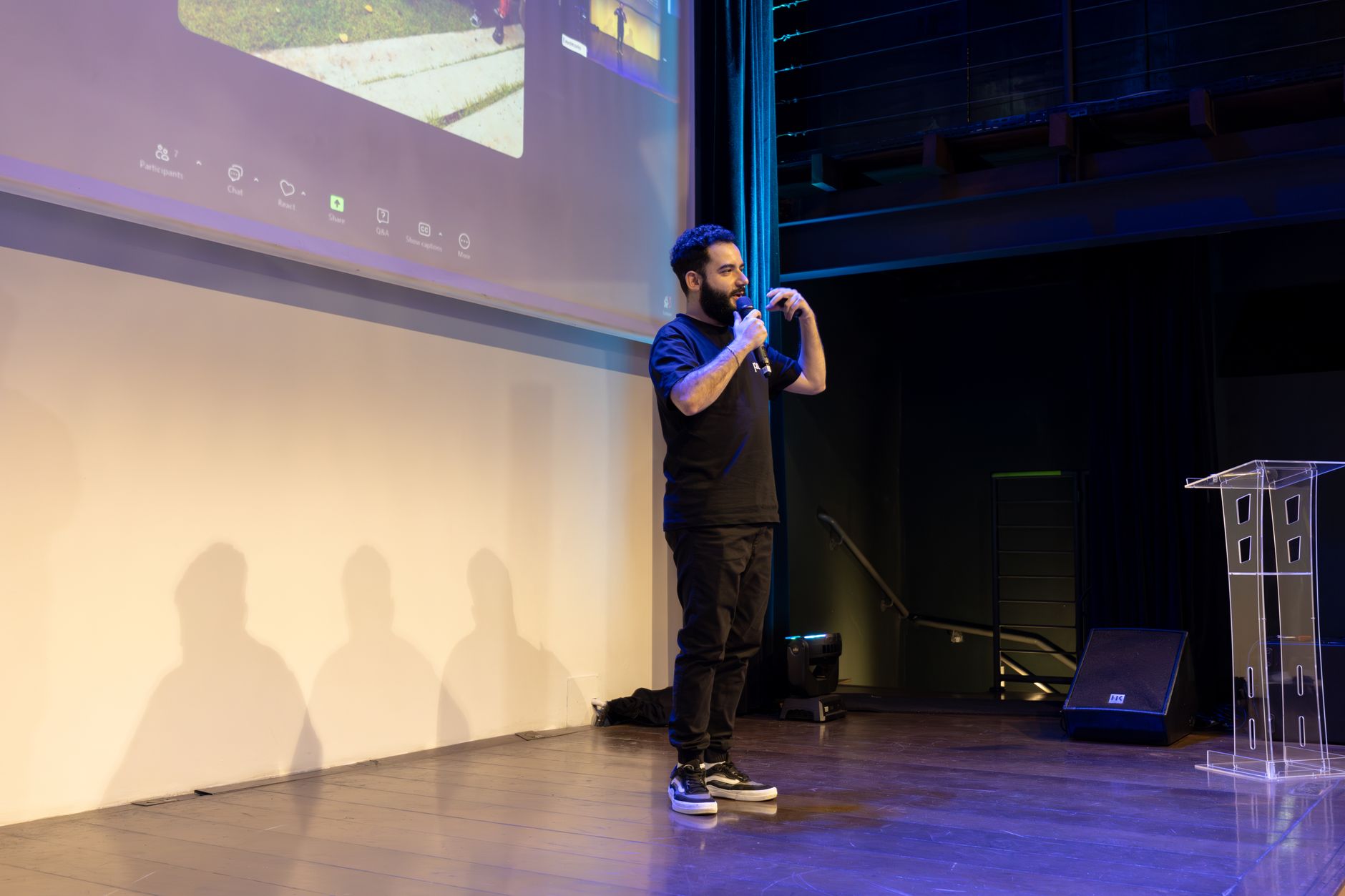
Every event planner has booked a corporate humor speaker at least once expecting comic relief, and gotten something closer to a warm-up act for a nap. That's not a knock on comedy. It's a knock on how the category gets used. A room full of people who've been sitting through slide decks since 8 a.m. doesn't need jokes. It needs a reset. The good version of this job isn't about landing punchlines, it's about using humor as a delivery system for something the audience actually needed to hear, and would have tuned out if it arrived any other way. That distinction is the whole ballgame, and it's worth understanding before you sign a contract.
The Job Isn't Comedy, It's Attention
People hire a corporate humor speaker because they've correctly identified that their audience is tired of being told things directly. Straight talk from leadership, no matter how true, tends to bounce off a room that's heard variations of it in three prior town halls. Humor works because it lowers the guard first. Once people are laughing, they're not performing polite attentiveness anymore, they're actually listening. That's the mechanism, and it's why the format keeps getting booked even by companies that would never describe themselves as fun.
The mistake buyers make is treating the humor as the deliverable. It isn't. It's the on-ramp. If a speaker leaves a stage having made three hundred people laugh and nobody can tell you what the talk was about an hour later, that's not a successful booking, that's a nice half hour. The bar should be higher: did the laughs carry an idea that people repeat in hallway conversations the next day. That's the actual metric, even though nobody puts it on a scorecard.
What to Ask Before You Book
Most speaker bios read the same. Credentials, client logos, a pull quote from someone at a company you've heard of. None of that tells you whether the person will land with your specific room. The better question is simpler: what is the talk actually about, in one sentence, without the word 'inspire' in it. If the answer is vague, that's a signal the content is thinner than the reel suggests.
Ask how the material changes for different audiences. A sales kickoff, a leadership offsite, and an all-hands after a rough quarter are three different rooms with three different tolerances for candor. A speaker worth booking should be able to describe, specifically, how the set shifts for each without losing the throughline. If the pitch sounds identical for every event type, you're likely getting a fixed routine with the company name swapped in during the opening minute. That's fine for some budgets. It's not what you're paying premium rates for.
Where the Consciousness Angle Actually Helps
There's a reason some corporate humor speakers lean into ideas about awareness, attention, and how people actually think, rather than staying purely in joke territory. Workplace problems are rarely about information. Teams usually know what they should be doing. The gap is between knowing and doing, and that gap is where humor combined with a genuine framework for self-awareness does real work. It's not about mindfulness in the incense sense. It's about giving people a clearer, funnier mirror than the one HR usually hands them.
Done well, this angle gives leadership teams language they didn't have before, delivered in a way that doesn't feel like a lecture. Done poorly, it turns into vague spirituality with a corporate logo on the slide. The difference is specificity. A speaker who can point to concrete, observable patterns in how people avoid hard conversations, and make that recognizable and funny, is doing something genuinely useful. One who just talks about energy and intention is doing a TED talk impression.
What Changes With the Room
The same material doesn't play the same everywhere, and a speaker worth their fee adjusts for that without being asked twice. A leadership team fresh off a layoff needs something different from a sales team celebrating a record year. The humor has to read the temperature of the room, not just the topic on the invoice. Booking a corporate humor speaker without giving them real context about what the company has been through is the single most common way to end up with a talk that technically happened but didn't land.
Give the speaker the actual situation, not the sanitized version. What's the mood right now. What's been said too many times already. What would feel like relief if someone finally said it out loud. The best corporate humor speakers use that information to build something specific to your room, and it shows in the difference between a talk people remember and one they merely attended.